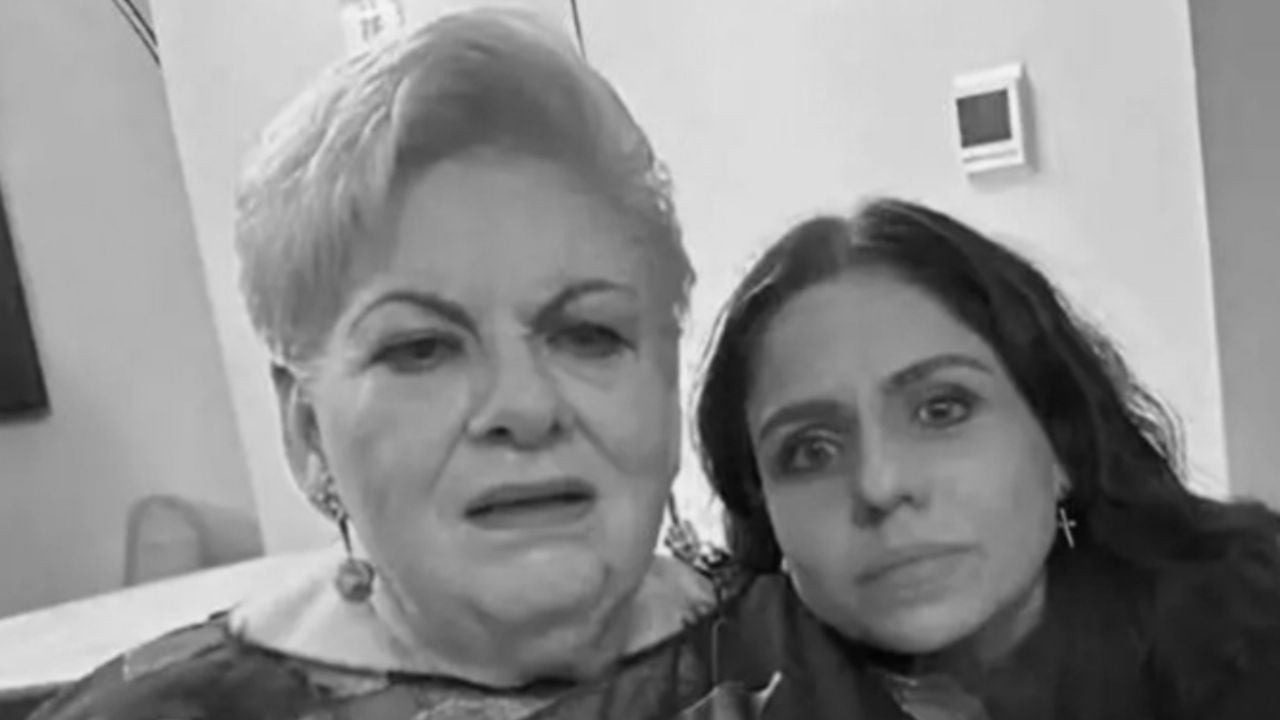
Kourtney Kardashian lashed out at Jennifer Lawrence—then reconsidered her ‘annoying’ jab
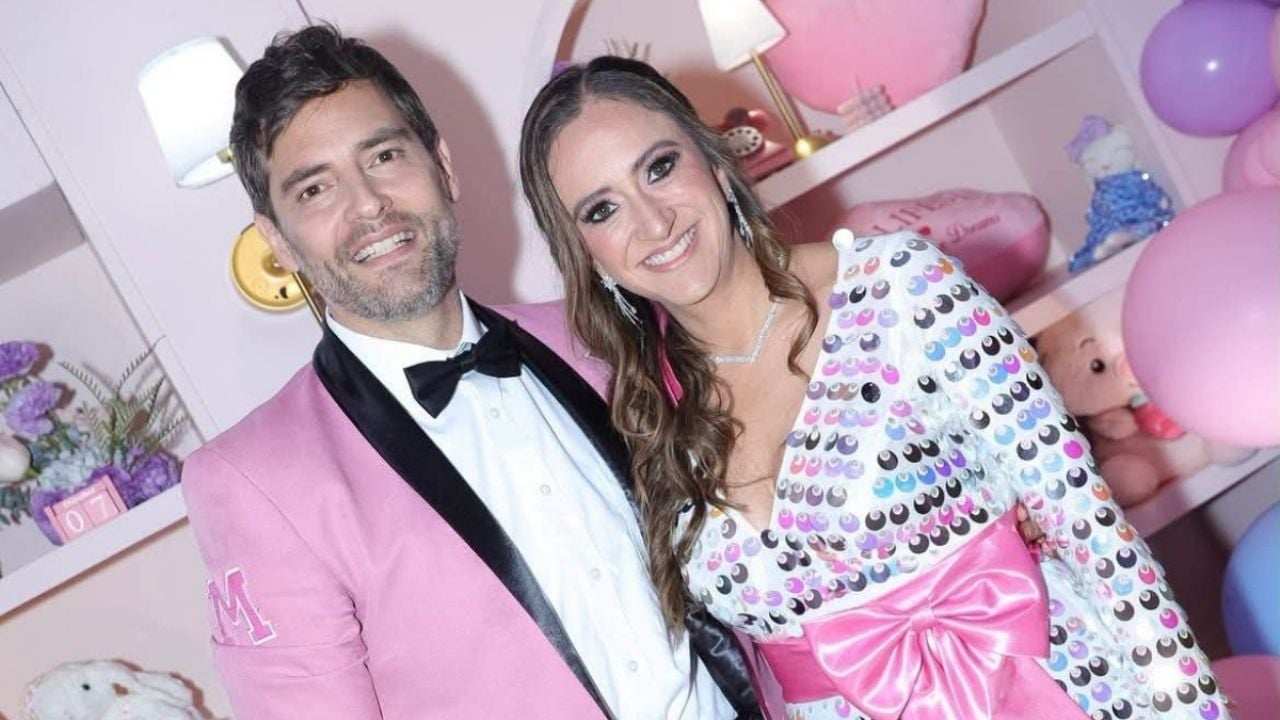
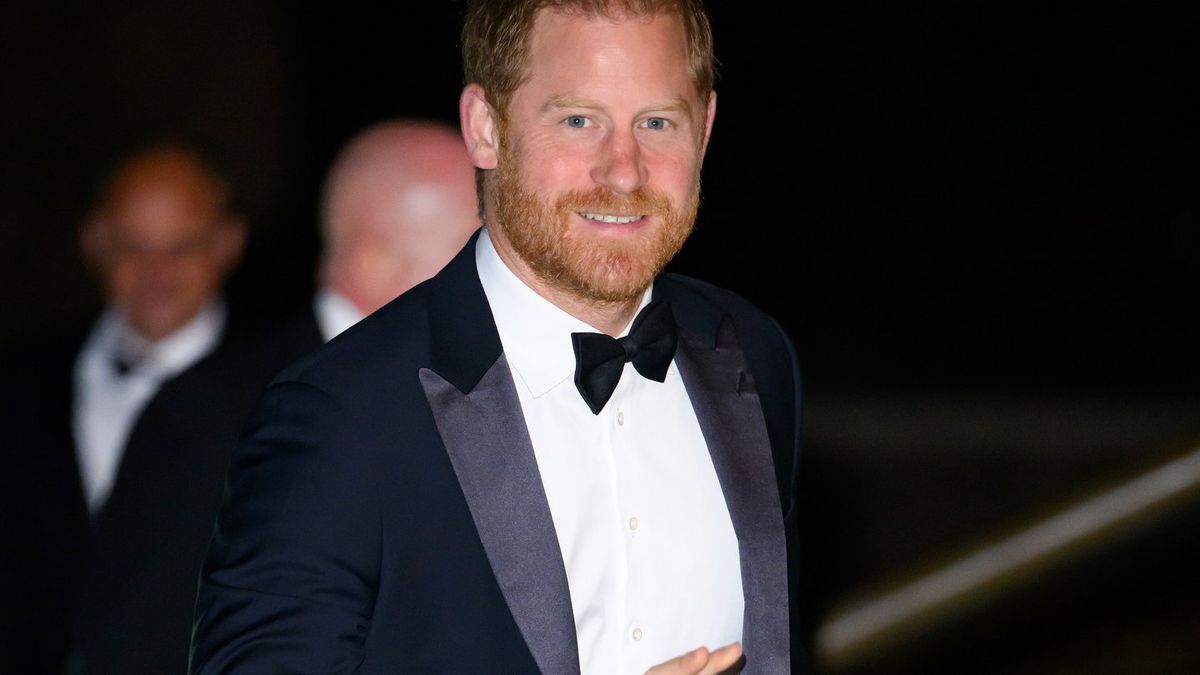
Kourtney Kardashian wanted to “slap the s–t out of” Jennifer Lawrence after the actress labeled her “annoying.”During the Season 8 premiere of “The Kardashians,” released Thursday on Hulu, footage showed the reality TV star reacting to the comment Lawrence made while taking a lie detector test with Vanity Fair in November 2025.“Well, my mom [Kris Jenner] wrote something, like, ‘Jennifer Lawrence and Emma Stone, I talked to them last night, they’re the best,’ and I go, ‘F—k that bitch Jennifer Lawrence,'” she told pal Simon Huck during the episode.Kourtney Kardashian (pictured here) admitted she wanted to “slap the s—t out of” Jennifer Lawrence after the actress called her “annoying.”Footage of the reality TV star reacting to the comment Lawrence made last year aired during the Season 8 premiere of “The Kardashians” on Thursday.“I said to my mom, ‘OK, [Lawrence] thinks she’s one of my sisters? I’ll f—king slap the s—t out of her.’ I was like, ‘Invite her over and we can … I’ll go for it like she’s my sister.'”Kourtney explained that Lawrence eventually got in touch with her (through sister Kim Kardashian) to apologize for the comment after learning she had offended the Poosh founder.“I just feel like I’m one of your sisters,” Lawrence, 36, wrote Kourtney, 47.During the episode, Kardashian told pal Simon Huck that her mom, Kris Jenner, had recently spoken to Lawrence (both seen in 2024) who she called “the best.” WireImage for Vanity FairKardashian called the actress (pictured last month) a “bitch” and said she wanted to “f—king slap the s—t out of her.” Instagram/jlawAlso during the premiere, Kourtney admitted that when she rewatched the Vanity Fair clip, she realized that what Lawrence said wasn’t actually “that bad.”“But I’m also like, it was a really sensitive week when she sent it, and I felt like our show was airing and everybody was ganging up on me,” she explained.After reflecting on the comments, Kourtney turned her attention to how she should respond to Lawrence’s apology.“She asked Kim for my email, and then she sent me that email, which is so nice. I saw it late last night, so I have not responded. I mean, do I say something funny? Like, ‘You can come over and I’ll beat your f—king ass?’” she asked her friend.Once Lawrence found out that Kourtney was offended, she asked the Poosh founder’s sister Kim Kardashian (pictured in 2017) for Kourtney’s email to apologize. Disney General Entertainment Content via Getty ImagesKourtney (pictured in April) said the email was “so nice” and asked her friend how she should respond to it. kourtneykardash/Instagram“I’ll just say, ‘Next time you wanna come over, we can go at it — Kourtney and Kim style,’” Kourtney decided, referring to the infamous episode of “Keeping Up with the Kardashians” from Season 18.Last year, Lawrence blasted the eldest Kardashian sister during the Vanity Fair segment.“Kourtney is more annoying than ever. She drives me nuts,” the “Hunger Games” star confessed as she discussed her love for the Kardashians and reality TV.At the time, the Oscar winner further explained her comments, arguing that the Poosh founder is always making a fuss about something.Kourtney ultimately responded to the Oscar winner in a playful way, as if she was one of her sisters (pictured here). khloekardashian/Instagram“I’ll just say, ‘Next time you wanna come over, we can go at it — Kourtney and Kim style,'” Kourtney wrote to Lawrence (pictured above last month). Best Image / BACKGRID“Because everything has to be an announcement. It’s like, you know, ‘I’m not going to wear outfits anymore.’ Like, just wear whatever you want. Don’t make an announcement about it.”“Or like, ‘I don’t have a TV in my room.’ Like, just don’t watch TV. Stop announcing it. Just shhh!” she exclaimed.In January, Lawrence admitted that she might have taken her comments about Kourtney a little too far.Last year, Lawrence (seen above) told Vanity Fair, “Kourtney is more annoying than ever. She drives me nuts.” ASPN / BACKGRIDIn January, the “Hunger Games” actress admitted she might have been too hard on Kourtney (pictured on “The Kardashians). HULU“I think that when I do press, I should do half [of] what normal people do,” she said on Amy Poehler’s “Good Hang” podcast.“Because I see my quotes and they’re insane. Like, ‘Jennifer Lawrence calls Kourtney Kardashian annoying.’ It’s just too… you know? It carries.”New episodes of “The Kardashians” air Thursdays on Hulu.
Community GuidelinesWelcome to the Page Six Community!Our community is about connecting people through open and thoughtful conversations. We want our readers to share their views and exchange ideas in a safe space.In order to do so, we've created a simple set of rules that will improve your experience.Simply put, keep it civil.Your post will/might be rejected if it contains:
Spam
Insults, profanity, incoherent, obscene or inflammatory language and threats of any kind
Attacks on the identity of other commenters or the article's author
User accounts will/might be blocked if we notice:
Continuous attempts to re-post comments that have been previously moderated/rejected
Racist, sexist, or homophobic comments
Attempts or tactics that put the site security at risk
So, how can you be a power user?
Stay on topic and share your passion. Feel free to elaborate to get your point across.
'Like' or 'Dislike' when you are filled with emotions!
Protect your community. Use the report tool to alert us when someone breaks the rules.
Thanks for reading our community guidelines. Don't forget, freedom of speech is not the freedom of reach!