Cetățeanul rus acuzat de sabotaj în România, în centrul atenției
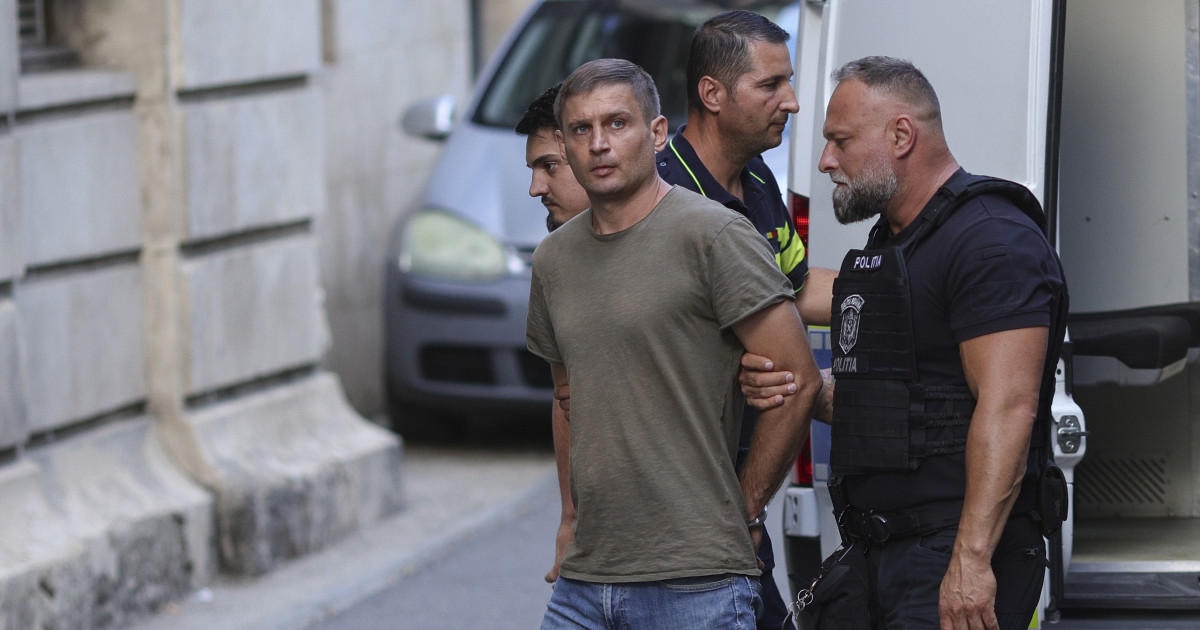
Serviciul Român de Informații a anunțat dejucarea unor acțiuni de sabotaj care ar fi trebuit să aibă loc pe teritoriul național al României. Reprezentanții serviciului spun că în spatele acțunilor se află un cetățean rus, care a fost reținut de procurorii DIICOT și ulterior arestat preventiv pentru 30 de zile.ACTUALIZARE 20.58 Curtea de Apel Bucureşti a dispus marţi arestarea preventivă pentru 30 de zile a cetăţeanului rus acuzat de săvârşirea infracţiunii de tentativă la acte de diversiune.Cetăţeanul rus a fost reţinut marţi de DIICOT, fiind dus apoi în instanţă cu propunere de arestare preventivă. Barbatul acuzat si retinut pentru spionaj in favoarea Rusiei, Ivan Kutsenko, este escortat in sediul Curtii de Apel Bucuresti, in Bucuresti, 8 septembrie 2026. Foto: Inquam Photos / Octav Gane ACTUALIZARE 16.20 Bărbatul a fost reținut pentru 24 de ore și urmează să fie prezentat în fața magistraților cu propunere de arestare preventivă pentru următoarele 30 de zile.0 seconds of 1 minute, 58 secondsVolume 90%Press shift question mark to access a list of keyboard shortcutsShortcuts Open/Close/ or ?Redare/PauzăSpațiuMărește Volumul↑Micșorează Volumul↓Caută înainte→Caută înapoi←Subtitrare Pornită/OprităcEcran complet/Ieși din modul Ecran completfSuprimare Sunet/Activare SunetmDecrease Caption Size-Increase Caption Size+ or =Caută %0-900:0000:0001:58EmbedȘTIRE INIȚIALĂ „SRI, în cooperare cu DIICOT, MAI-DCCO, MApN-DGIA și servicii partenere externe, a prevenit comiterea unei acțiuni de sabotaj pe teritoriul național, cu implicarea unui cetățean rus stabilit în România.Astfel, începând din februarie 2026, cetățeanul rus s-a aflat în monitorizarea SRI, făcând obiectul unei investigații ample privind tentative de acte de diversiune, materializate prin documentarea foto-video a unor centre de comunicații și baze militare naționale utilizate de aliații NATO, a unor sedii ale instituțiilor din Sistemul Național de Apărare, Ordine Publică și Siguranță Națională, precum și a unor infrastructuri critice”, a transmis SRI într-un comunicat.SRI a mai adăugat: „Datele obținute indică un tipar acțional similar celui folosit pe teritoriul statelor europene de rețele de sabotori coordonate de entități din Federația Rusă, inclusiv în cazurile dejucate în România în 2024 și 2025: cetățeanul rus era instruit de un intermediar să realizeze materiale foto-video cu obiective de interes strategic militar, inclusiv aeronave cargo ucrainene ANTONOV pe durata prezenței pe teritoriul național. De asemenea, investigația a relevat că Federația Rusă continuă să folosească persoane din categorii vulnerabile pentru derularea de astfel de activități ilegale.Acțiunile specifice întreprinse de SRI, precum și măsurile dispuse cu autoritățile române și partenerii externi au condus la prevenirea unei acțiuni de sabotaj pe teritoriul național.SRI mulțumește tuturor partenerilor naționali și internaționali implicați în asigurarea securității cetățenilor României”, au punctat ofițerii. 0 seconds of 0 secondsVolume 90%Press shift question mark to access a list of keyboard shortcutsShortcuts Open/Close/ or ?Redare/PauzăSpațiuMărește Volumul↑Micșorează Volumul↓Caută înainte→Caută înapoi←Subtitrare Pornită/OprităcEcran complet/Ieși din modul Ecran completfSuprimare Sunet/Activare SunetmDecrease Caption Size-Increase Caption Size+ or =Caută %0-900:0000:0000:00EmbedAnunțul DIICOTReprezentanții Direcției de Investigare a Infracțiunilor de Criminalitate Organizată și Terorism au transmis: „La data de 8 septembrie 2026, procurorii Direcției de Investigare a Infracțiunilor de Criminalitate Organizată și Terorism – Structura Centrală au dispus reținerea unui inculpat (cetățean rus), în vârstă de 40 de ani, cercetat pentru săvârșirea infracțiunii de tentativă la acte de diversiune.Din probatoriul administrat în cauză a reieșit că, în perioada februarie-iulie 2026, în perspectiva comiterii unor acte de diversiune/sabotaj, de tip hibrid, sub coordonarea directă a unei persoane cu care a păstrat legătura prin intermediul unor servicii online de mesagerie criptată, a identificat, supravegheat și colectat informații cu caracter militar.De asemenea, a realizat și transmis fotografii, privind tehnica forțelor armate române/aliate și deplasarea personalului și a tehnicii de luptă, la mai multe obiective (baze) militare românești și multinaționale, situate pe raza județelor Cluj, Constanța , Călărași , Ilfov și a municipiului București, fapte care, prin natura lor, au pus în pericol securitatea națională.Urmează să fie sesizată Curtea de Apel București cu propunerea de arestare preventivă a inculpatului pentru o perioadă de 30 de zile.Activitățile judiciare au fost realizate împreună cu ofițerii de poliție judiciară din cadrul DIICOT – Structura Centrală, ai Direcției de Combatere a Criminalității Organizate și structurilor subordonate.Acțiunea a beneficiat de sprijinul informativ al Serviciului Român de Informații și suportul structurii specializate din cadrul D.G.I.A.Facem precizarea că, pe parcursul întregului proces penal, persoanele cercetate beneficiază de drepturile și garanțiile procesuale prevăzute de Codul de Procedură Penală, precum și de prezumția de nevinovăție”, spun cei de la DIICOT. Editor : A.R.