Trump Turns to Russian Diesel, but Price Relief May Miss the Midterms
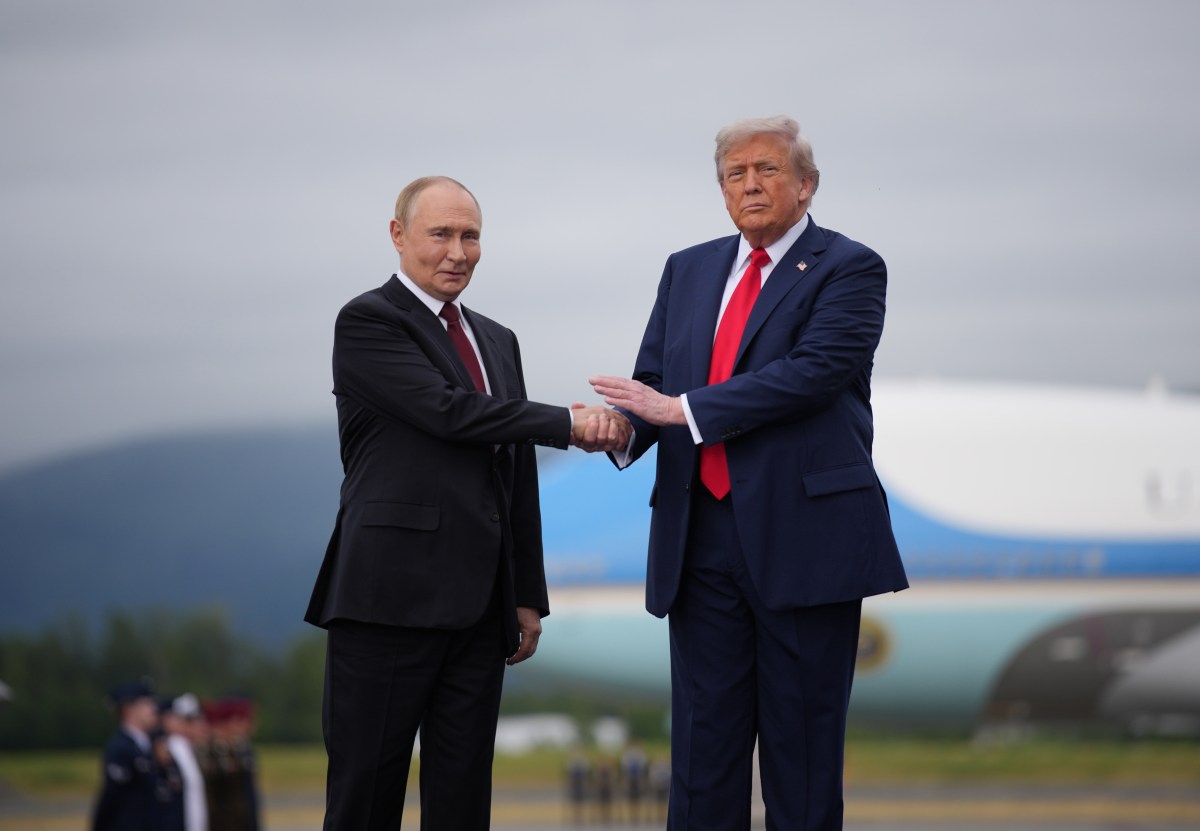
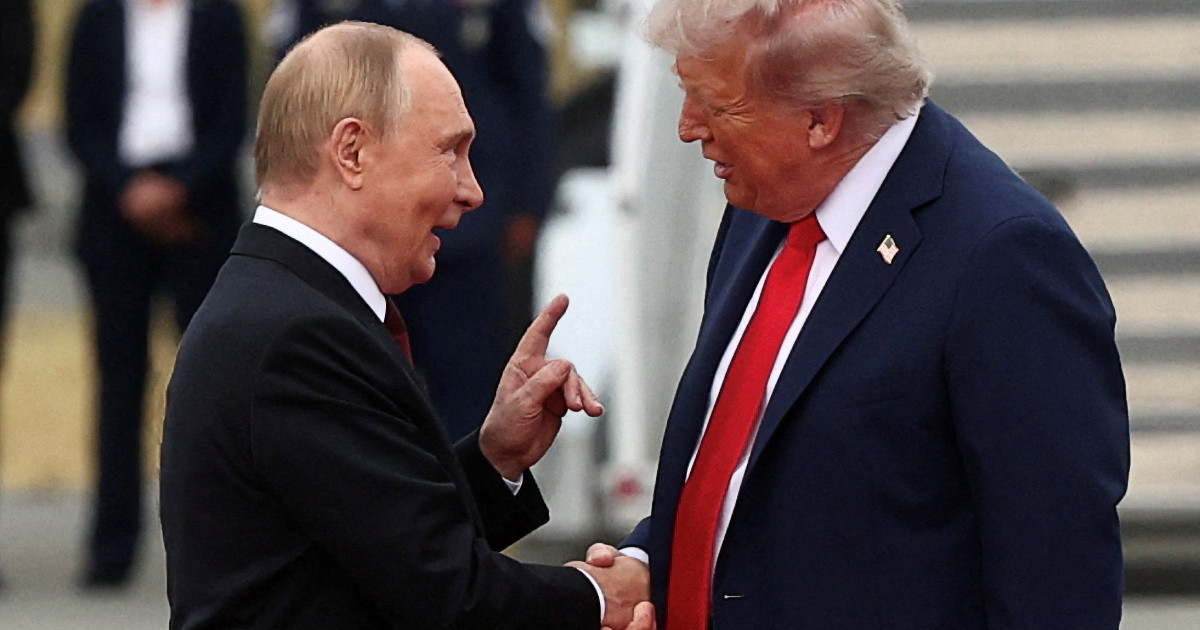
President Donald Trump's agreement with Russian President Vladimir Putin to boost diesel supplies is drawing criticism from within his own party, exposing Republican divisions over the White House's latest attempt to bring down fuel prices ahead of November's midterm elections.The pushback follows Trump's announcement Friday that Putin had agreed to supply millions of tons of diesel fuel to United States and global markets. The administration subsequently authorized transactions involving Russian diesel, with the Treasury Department issuing a temporary license allowing Russian-origin diesel to reach global markets.The move drew scrutiny because Congress just weeks ago approved the Lindsey O. Graham Sanctioning Russia and Iran Act of 2026, legislation intended to increase pressure on Moscow over the war in Ukraine.While Trump, ahead of the November midterms, has cast the arrangement as a way to ease soaring fuel costs hurting truckers, farmers and consumers, some Republicans argue it risks undermining Washington's efforts to pressure Moscow over the war in Ukraine.Newsweek reached out to the White House for comment on Saturday.Don Bacon Says Russian Fuel Is 'the Wrong Answer'Representative Don Bacon, a Nebraska Republican and supporter of Ukraine, emerged as one of the deal's most outspoken critics."We need lower diesel prices for American farmers, ranchers and consumers, but buying Russian fuel is the wrong answer," Bacon wrote on X on Friday.The congressman argued that Ukraine's attacks on Russian refineries have targeted facilities that "fuel and finance Putin's illegal invasion" and suggested the agreement could provide Moscow with additional revenue.He also pointed to the sanctions law, which Trump signed last month, arguing Congress had moved to increase economic pressure on Russia rather than ease it.Bacon's criticism is particularly notable because Nebraska's economy relies heavily on agriculture and trucking, sectors that have been among the hardest hit by surging diesel costs.According to AAA, the national average diesel price stood at $6.28 per gallon on Saturday, putting pressure on farmers harvesting crops and businesses dependent on freight transportation.Michael McCaul Warns Deal Could Help PutinRepresentative Michael McCaul, a Texas Republican and former chairman of the House Foreign Affairs Committee, also criticized the administration's move.In a statement posted on X, McCaul said he understood the desire to lower diesel prices but expressed concern that lifting sanctions on Russian oil would "fund the Kremlin's war machine" despite Congress recently giving Trump additional leverage to pressure Putin through sanctions.His comments add a foreign-policy dimension to the debate, suggesting concerns among some Republicans extend beyond fuel prices and into the broader question of how the U.S. should approach Russia while fighting continues in Ukraine.Senator Lisa Murkowski, an Alaska Republican, also criticized the move. In a post on X, she noted that Congress had recently passed legislation to increase sanctions and tariffs on Russia and argued Trump should be using those authorities "instead of allowing Russia to export diesel, rake in revenues, and continue its catastrophic war in Ukraine." Murkowski added that Russia's return to global energy markets should wait until after the war ends.The criticism mirrors concern raised by Ukrainian President Volodymyr Zelensky, who argued Friday that easing pressure on Russia without a broader de-escalation agreement would amount to "an obvious weakness."...Trump's Diesel Deal Comes as Midterms ApproachThe administration has spent weeks searching for ways to address rising diesel prices, which have become an economic and political problem ahead of the midterms.Diesel fuels much of the country's agricultural, trucking, rail and industrial sectors. Higher diesel costs can ripple through supply chains and contribute to higher prices for consumers.Some analysts, however, question whether the Russia agreement will produce relief quickly enough to affect voters before Election Day.Ed Hirs, an energy economist at the University of Houston, said the political benefits of the deal may not arrive on the timetable the White House hopes for."If everything goes smoothly, the U.S. consumer will not get relief at the pump until well after the election," Hirs previously told Newsweek.Trump has increasingly highlighted the issue in recent days, particularly in appeals to farmers, truckers and rural voters.Earlier this week, he signed an executive order allowing tax-exempt dyed diesel to be used on public roads through the end of the year while deferring the federal diesel tax associated with that fuel.The White House has also pushed allies to release emergency diesel reserves and has reportedly been weighing additional executive actions intended to boost fuel supplies and production.Announcing the Russia agreement, Trump said he expected diesel prices to fall quickly."It was agreed that Russia will immediately supply over 300,000 Tons of Diesel Fuel to the American and Global Marketplace," Trump wrote on Truth Social on Friday, outlining several additional planned deliveries.Speaking to reporters later that day, the president called it "a big deal.""That is massive amounts of oil coming into our country, and I want to thank President Putin to be honest with you," Trump said. "And it's diesel, which is what we want."Speaking to reporters Saturday, Trump also criticized Zelensky for opposing the agreement and defended his argument that Ukrainian attacks on Russian refineries have contributed to diesel shortages. Trump said the U.S. had urged Ukraine not to target Russian refining facilities and added, "He better damn well stop!"Trump also said Saturday it was time for Ukraine to get a new president, suggesting Zelensky has not done enough to end the war.“I suggest they get a new leader who can make a deal because he could have made many deals and for some reason he never does,” he said.Analysts Question Whether Russian Diesel Will Lower PricesSome energy analysts have expressed skepticism that the agreement will significantly alter diesel market fundamentals.Tom Kloza, senior energy and market adviser at Gulf Oil, recently told Newsweek that Russia currently lacks the ability to contribute meaningful diesel volumes to global markets because Ukrainian drone attacks have damaged a significant portion of Russian refining capacity."The market reacted with a 7-8cts/gal drop after the news broke, but nearly all traders I talk to doubt whether this will effect a trend change," Kloza said. "Diesel molecules are scarce and promise to be scarce through October, into November and perhaps beyond."Hirs said that even if the deal proceeds as planned, consumers may not see meaningful relief quickly, raising questions about whether the arrangement will deliver the economic benefit Trump has promised before voters head to the polls.Newsweek’s reporters and editors used Martyn, our AI assistant, to produce this story. Learn more about Martyn here. Contact Newsweek editors for this story: Steve Mollman and Anthony Murray.