De ce europenii devin deziluzionați de viitorul UE?
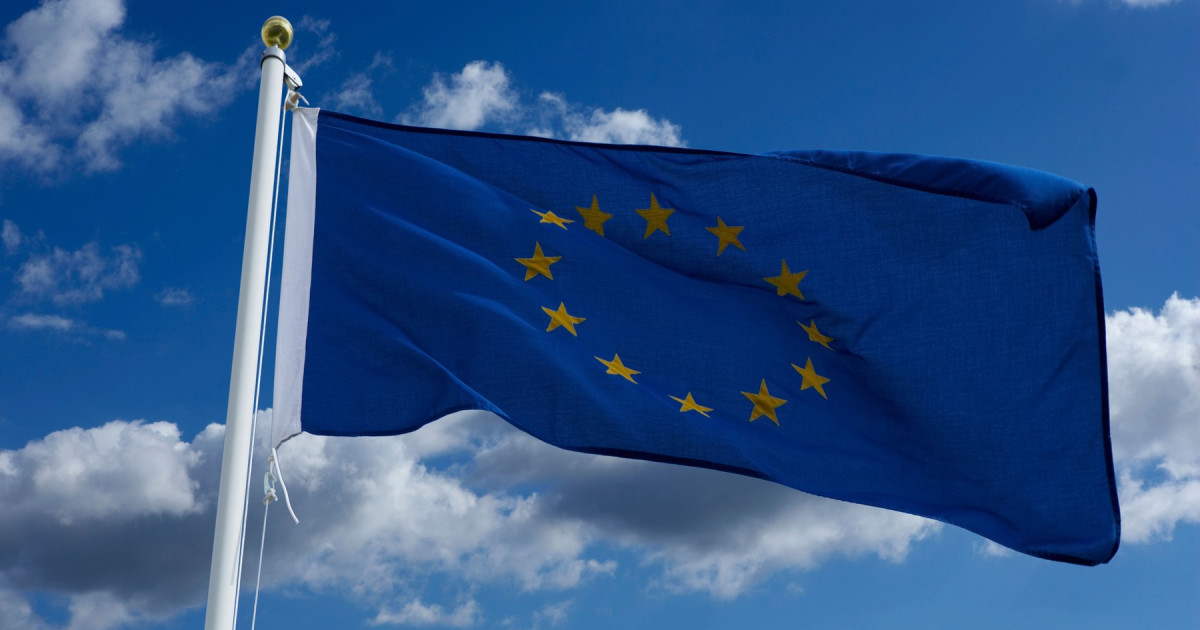
Europenii își doresc în proporție covârșitoare o Europă puternică, unită și independentă, dar se întreabă dacă acest lucru este posibil, potrivit unui studiu care sugerează că o criză de încredere la nivel continental creează un teren propice pentru discursurile de extremă dreapta privind declinul.Raportul, bazat pe 5.800 de interviuri realizate în Franța, Germania, Italia, Țările de Jos, Polonia și Regatul Unit, precum și pe analiza modului în care se discută despre Europa în sfera politică și în mass-media din 15 țări, prezintă imaginea unui public ambițios, dar deziluzionat, scrie The Guardian.S-a constatat că 68% dintre respondenți au vorbit despre Europa în termeni de „deteriorare generală sau pierdere a normalității”, comparativ cu doar 12% care au declarat că privesc momentul actual ca pe o perioadă de „trezire și reînnoire europeană”.Mulți au recunoscut provocările majore cu care se confruntă Europa, inclusiv războiul (43%), presiunile economice (33%) și nevoia unei mai mari autonomii internaționale (29%). Însă 74% au afirmat că Europa nu gestionează bine aceste provocări, iar 56% consideră că viitorul său este „în pericol”.„Lipsă de imaginație”Problema nu este lipsa ambiției: un procent copleșitor de 73% dintre respondenți împărtășesc o viziune europeană puternică privind unitatea și integrarea politică (35%), pacea și securitatea (28%) sau prosperitatea (19%), în timp ce doar 13% își doresc „mai puțină Europă” sau dizolvarea UE.Pentru mulți, a afirmat autorul studiului, Paweł Zerka, cercetător principal la grupul de reflecție Consiliul European pentru Relații Externe (ECFR), problema nu era „că au încetat să-și dorească o Europă mai puternică, ci că nu mai cred că acest lucru este realizabil”.Rezultatul, a adăugat Zerka, a fost o „lipsă de imaginație”. Oamenii își pot imagina genul de Europă pe care și-o doresc, dar le este greu să-și imagineze o cale credibilă de la situația actuală la cea pe care și-o doresc. Acestea sunt chestiuni de politică, nu doar de comunicare.Cu o săptămână înainte ca președinta Comisiei Europene, Ursula von der Leyen, să țină discursul anual privind „starea Uniunii” la Bruxelles, Zerka a afirmat că datele sugerează că blocul are nevoie de „mai puține promisiuni grandioase” și de mai multe „dovezi ale traiectoriei”.Studiul citează zeci de conversații cu cetățeni europeni. „Mă simt în mod regulat ușurat că trăiesc în Europa. Nu este perfectă și unele lucruri merg în direcția greșită, dar nicio regiune din lume nu este mai sigură, mai liberă și mai democratică”, a spus un german.Cu toate acestea, deși a identificat criza climatică și partidele de extremă dreaptă drept cele mai mari provocări ale continentului, el a afirmat că acestea nu sunt abordate în mod eficient. „Alegerile se concentrează prea mult pe prezent și nu suficient pe viitor”, a spus el.Respondentul a declarat că și-ar dori ca Europa, peste 20 de ani, să fie „liberă, democratică, durabilă, mai puțin îndatorată, mai de stânga din punct de vedere politic [și] pașnică”. Întrebat dacă crede că acest lucru se va întâmpla, el a răspuns: „Nu”.Studiul a clasificat alegătorii europeni în patru categorii. Cei „Pozitivi” (19%) sunt pro-europeni convinși, care consideră crizele actuale drept un catalizator pentru o uniune mai puternică și mai integrată. Cei „Negativi” (39%) cred că zilele de glorie ale Europei au trecut.Aproape jumătate dintre cetățenii din Franța, Germania și Italia – și aproape toți cei care au votat pentru partide de extremă dreaptă, precum AfD din Germania, RN din Franța, PVV din Olanda și Reform UK – erau „Negativi”, 83% dintre aceștia vorbind despre Europa în termeni de pierdere și declin.Cei „deconectați” (12%) sunt, în general, alegători apatici pentru care integrarea UE reprezintă un zgomot de fond îndepărtat, iar cei „incerti” (31%) împărtășesc valorile pro-europene, dar se îndoiesc de capacitatea continentului de a acționa decisiv, de a asigura siguranța cetățenilor sau de a-și apăra valorile.Aproape o treime (32%) dintre respondenții din toate țările incluse în sondaj au menționat „lentoarea Europei” în răspunsurile lor. Așa cum a spus fără menajamente un tânăr cetățean polonez, născut în anii 2000: „UE discută mult, dar nu face nimic.” Editor : Sebastian Eduard