AI cameras flag nearly 19,000 potential offences in two-week West Midlands trial
Updated 16:27 14 Oct 2026 GMT+1Published 16:25 14 Oct 2026 GMT+1
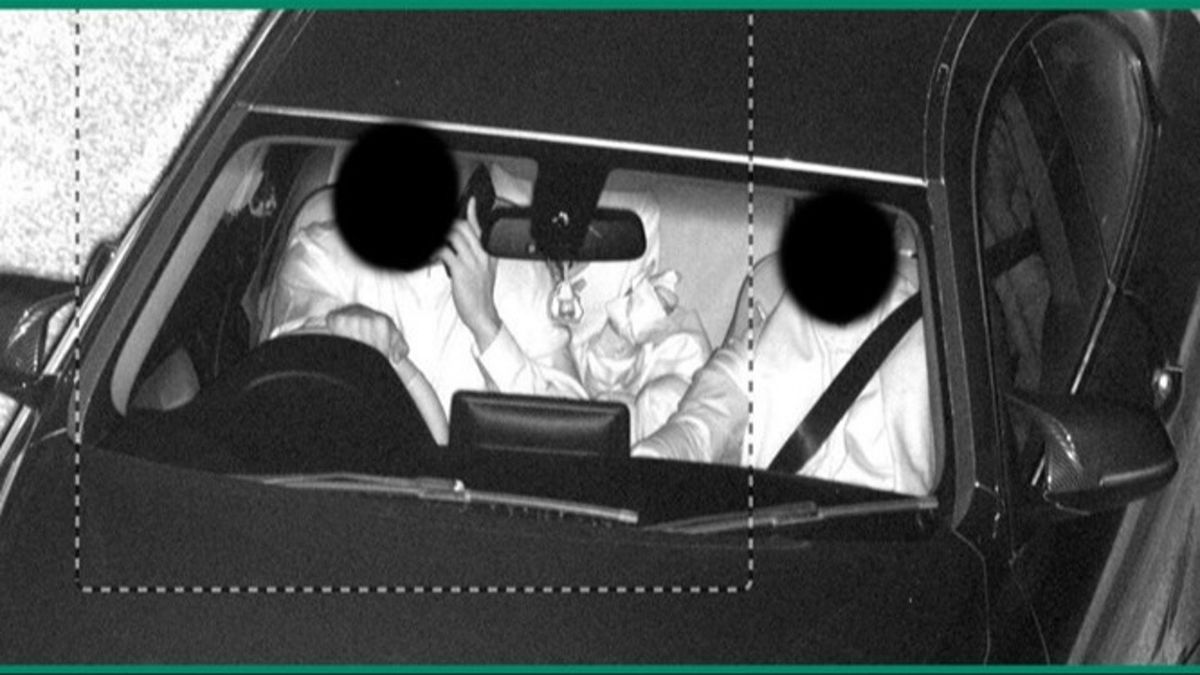
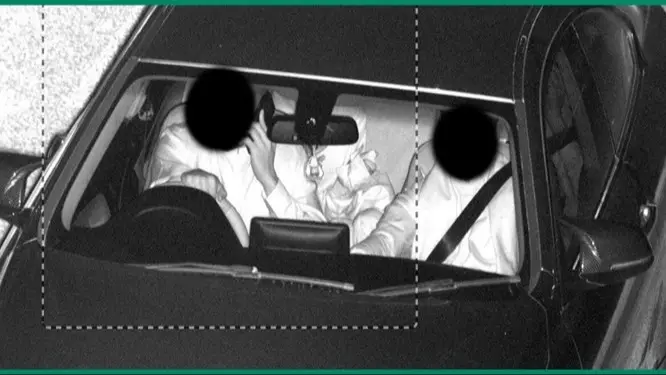
One image appeared to show a front-seat passenger clutching a small child on their lap with no seatbelt
New AI-powered road safety cameras have caught drivers in the act, capturing images of almost 19,000 driving violations in just two weeks.
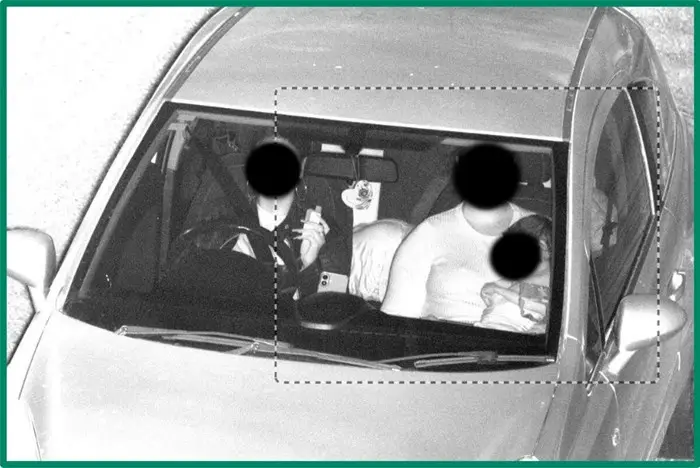
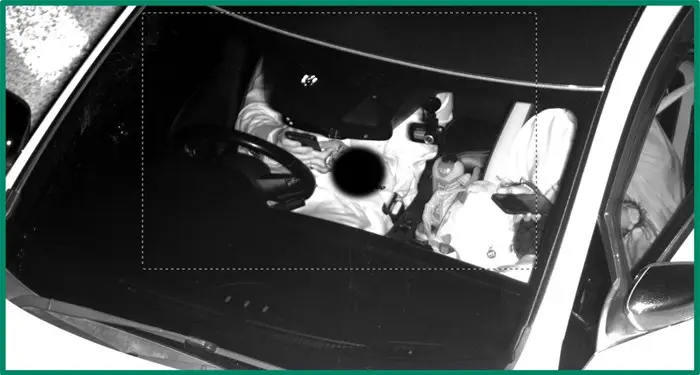
The images dubbed 'frankly shocking' show driving offences including motorists using their mobile phone and passengers failing to wear seatbelts.
Mayor of the West Midlands Richard Parker said the findings of the camera trial, which was conducted at two sites in Birmingham and Wolverhampton, showed risk-taking among drivers at far higher levels than was expected.
Examples of life-threatening risks taken by drivers included a front-seat passenger seen with a small child on their lap with no seatbelt, and a driver with two hands on the phone rather than on the steering wheel.
Advert
One child was seen unfastened on someones lap (WMCA)
Dozens of other images showed children travelling in vehicles without age-appropriate restraints.
AI camera technology set up outside Ladywood and Fallings Park fire stations was used to capture the images in March.
The trial was funded by the West Midlands Combined Authority (WMCA) in collaboration with the police and the fire service.
11,045 potential non-use of seatbelt offences were recorded, as well as 1,163 potential mobile phone use offences were identified at one site.
There were an additional 6,030 potential seatbelt offences and 757 potential mobile phone offences recorded at the second location.
Commenting on the scale of the problem, Mr Parker said: “The number of people risking their own lives and the lives of others, including some very young children, is frankly shocking and far higher than we expected when setting up the trial.
“The law is clear on seatbelts and mobile phones. I’ve met families who have lost loved ones to reckless driving. They never recover from these tragedies, the grief is always there.
“People need to stop doing this, it is simply not worth the risk.
The AI cameras are used as part of a new trial (WMCA)
“As we review these results with our road safety partnership and look to next steps, I promise to use every resource available, including new technology like this, to make our streets safer for everyone.”
Meanwhile, Simon Foster, the West Midlands Police and Crime Commissioner and chair of the area’s road safety partnership board, said: “These initial findings are deeply concerning.
“Let me be absolutely clear: reducing the number of people killed and seriously injured on our roads remains our absolute top priority.
“We are closely evaluating these trial results to consider how this advanced AI technology can be deployed for future police enforcement.
“We cannot tolerate reckless behaviour that puts lives at risk, and we will use every effective tool at our disposal to ensure our roads are safer.”
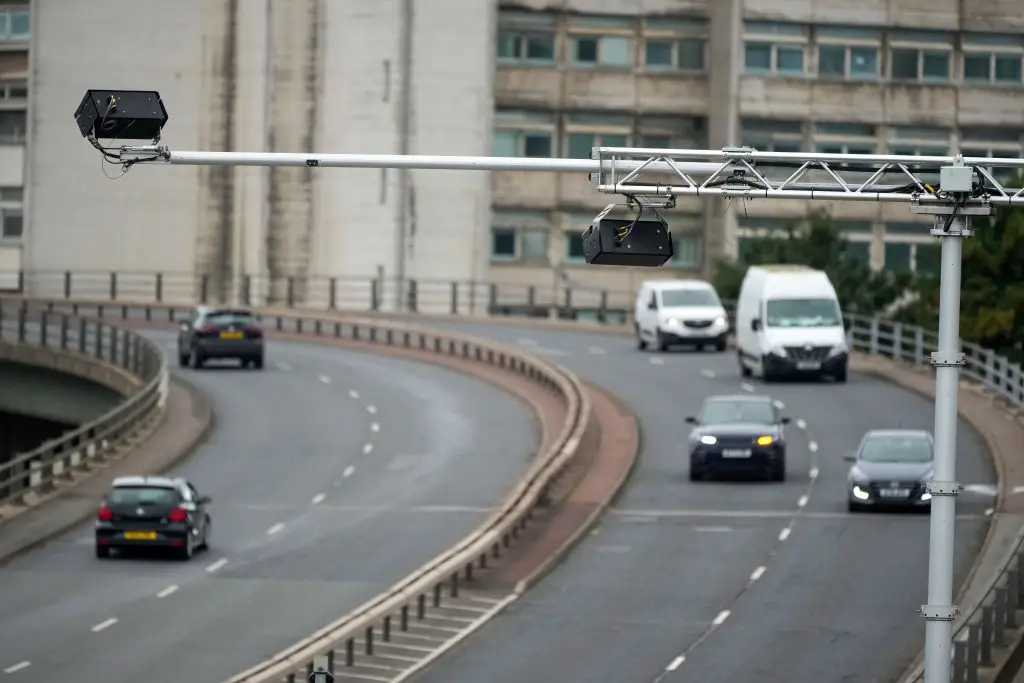
As per the RAC, artificial intelligence speed cameras are devices placed at the roadside that can determine if a driver is using a mobile phone, or if anyone in the vehicle is not wearing their seatbelt.
AI traffic cameras are being rolled out (Christopher Furlong/Getty Images)
They can also be used to detect how fast someone is driving and send a report on the make, model, and number plate of a vehicle.
The images are then processed to give police a full picture of the passengers and interior of a car, van, or cab of a truck.
AI speed cameras in the UK are linked to all UK police and Driver and Vehicle Licensing Agency (DVLA) databases.
Additionally, in 2023, a new AI camera system was introduced to the UK to capture and analyse images to see if drivers are using their mobile phones when driving.
Also known as the Acusensus System, the AI uses multiple cameras to record footage that clearly displays drivers breaking the law, but all images are then reviewed by a human before any prosecutions.
Featured Image Credit: WMCA
Topics: Technology, Driving, UK News, Crime, Travel