Florida records 250 local dengue cases as officials highlight severe warning signs
Published 11:18 10 Oct 2026 GMT+1
The outbreak claimed the life of an 80-year-old Tampa woman last month
Florida is experiencing an unprecedented rise of locally acquired dengue fever, with several counties declaring states of emergency as health officials battle to contain the mosquito-borne disease.
More than 250 locally acquired cases have been recorded since July, with Hillsborough County and Tampa, accounting for 223 infections.
The outbreak has also claimed the life of an 80-year-old Tampa woman who died in September after contracting the virus.
According to Florida Health, Dengue fever ‘is a mosquito-borne disease related to the viruses that cause West Nile and yellow fever’.
Advert
“Dengue fever can be a painful, debilitating disease but is rarely fatal,” it explains.
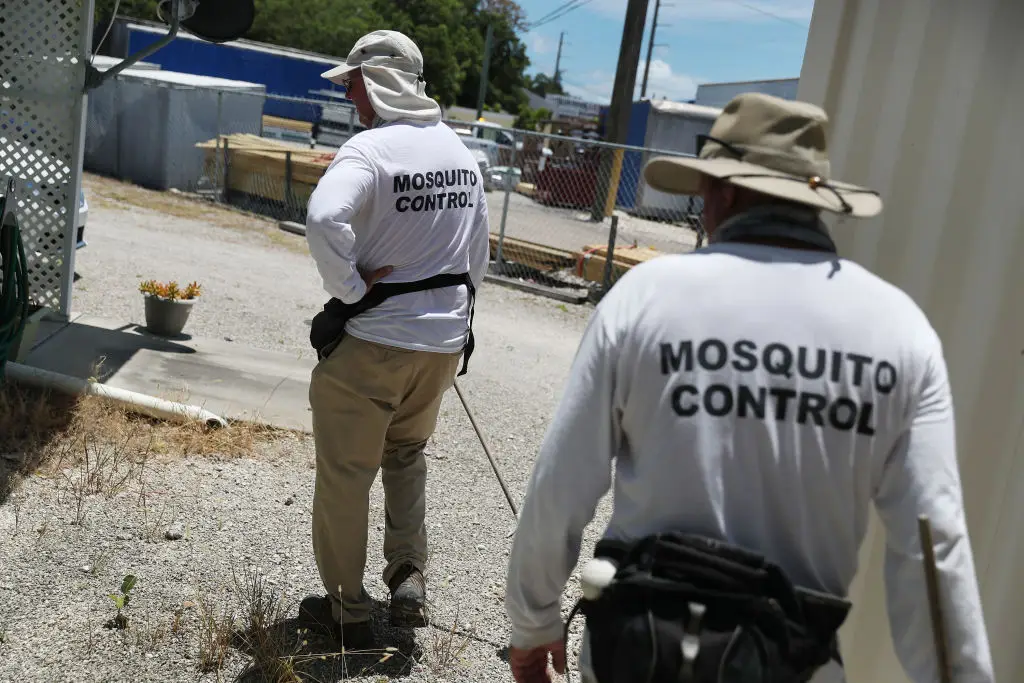
(Joe Raedle/Getty Images)
The NHS say symptoms usually appear between four and ten days after being bitten by an infected mosquito and can initially resemble flu.
- A high temperature or fever
- Severe headaches
- Pain behind the eyes
- Muscle and joint pain
- Feeling or being sick
- Swollen glands
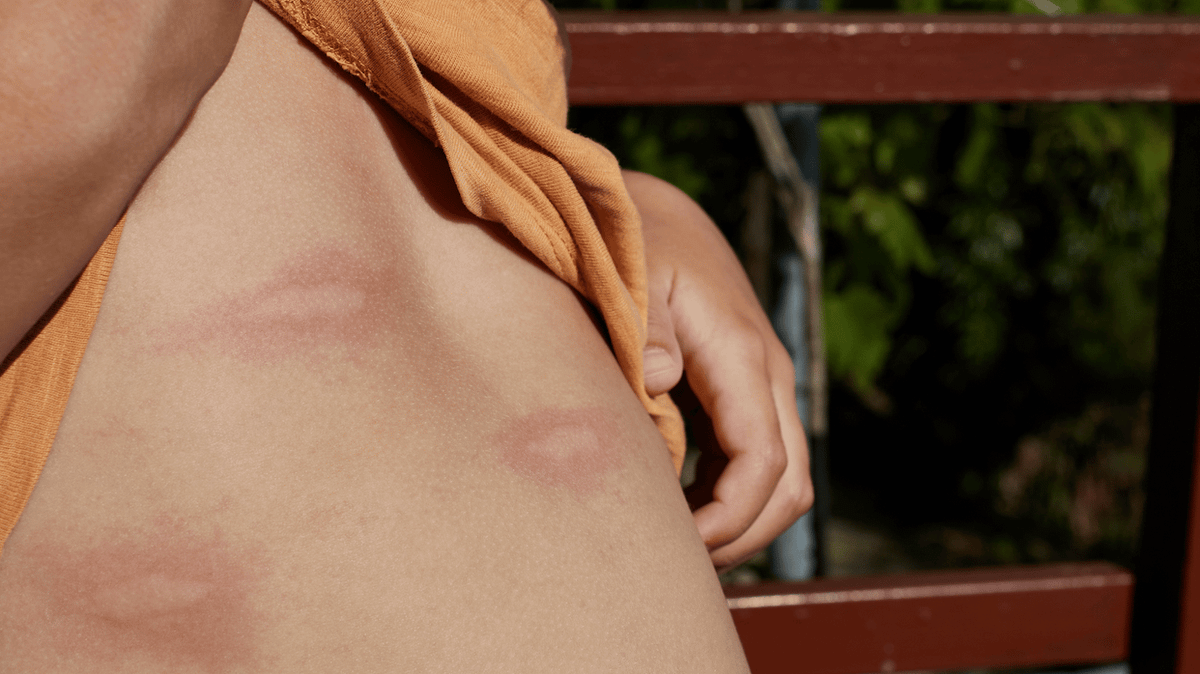
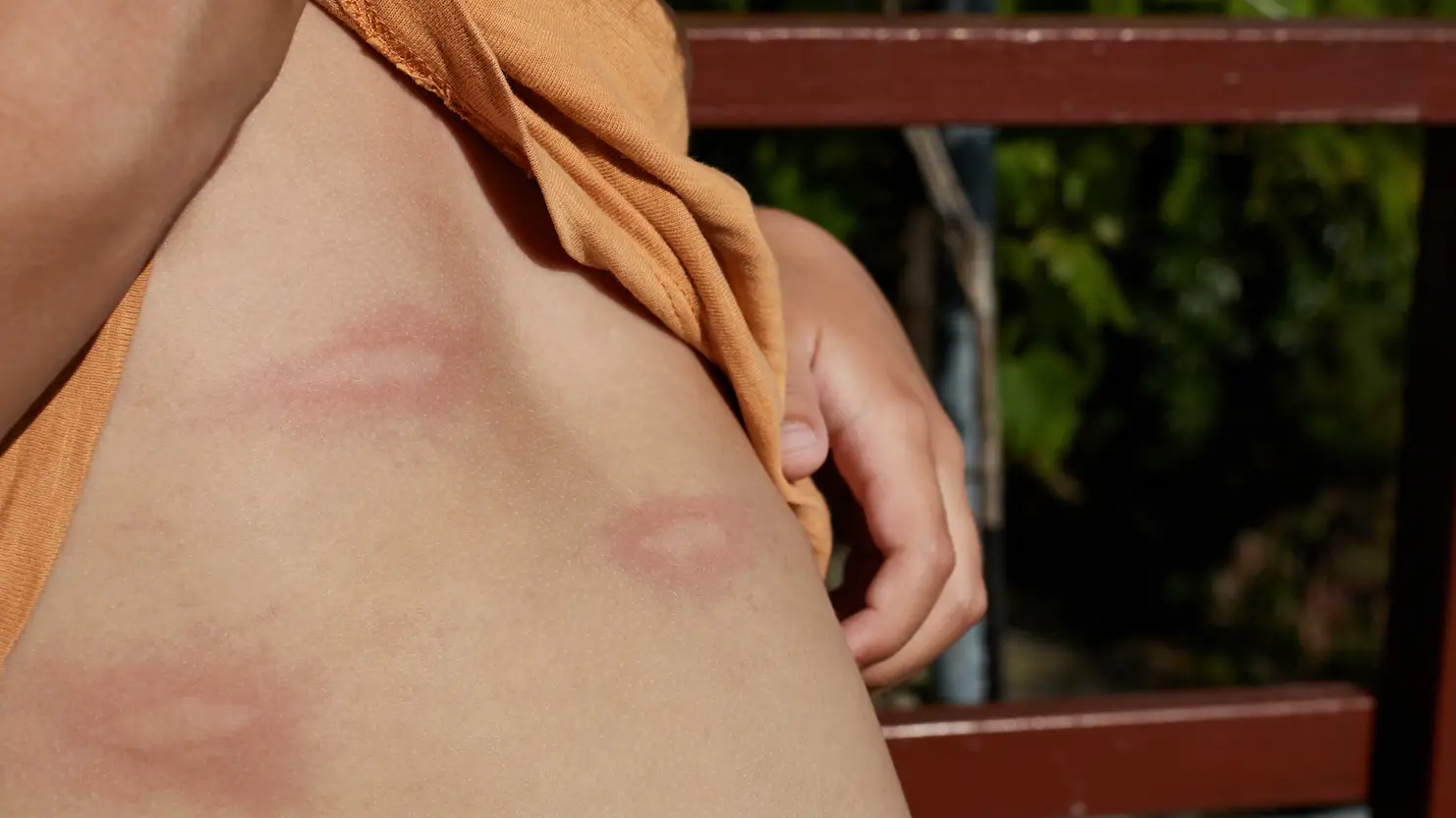
- A blotchy rash affecting large areas of the body
(Joe Raedle/Getty Images)
The health service notes that people tend to recover within one to two weeks, but in rare cases the infection can develop into severe dengue, which can be life-threatening.
Warning signs include severe stomach pain, repeated vomiting, rapid breathing, bleeding from the gums or nose, extreme tiredness and blood in vomit or stools.
These symptoms can develop as the initial fever begins to disappear and require immediate medical attention.
While there is no specific treatment for dengue fever, sufferers are advised to rest, drink plenty of fluids and take paracetamol to ease pain and reduce fever.
“Dengue does not spread from person to person. Instead, it requires a mosquito vector (person to mosquito to person),” Daniel Egan, MD, an infectious disease physician at Orlando Health told Infectious Disease Special Edition.
(Joe Raedle/Getty Images)
“In Florida, we are at an elevated risk compared with other states because of the state’s swampy environment.
“The Florida Department of Health updates the community about which counties are seeing more cases. We presently are seeing many locally acquired cases on the western coast of the peninsula.”
Dr Egan noted that ‘it remains to be seen how many more cases there will be or how much further it will spread within Florida’.
“The most important piece of information would be preventing the spread of mosquitoes,” he added.
“Florida is currently in its rainy season. It’s important to remove and drain any sources of freestanding water that could be a breeding ground for mosquitoes.
“After storms, this includes buckets, tarps, birdfeeders, and open containers. Anything that gets filled with water after a storm should be emptied out.
“When outside, wear long-sleeved clothing and consider using mosquito repellent. Any effort helps reduce the overall risk for mosquito bites and possible illnesses.”
Featured Image Credit: Getty Stock Images
Topics: US News, Health