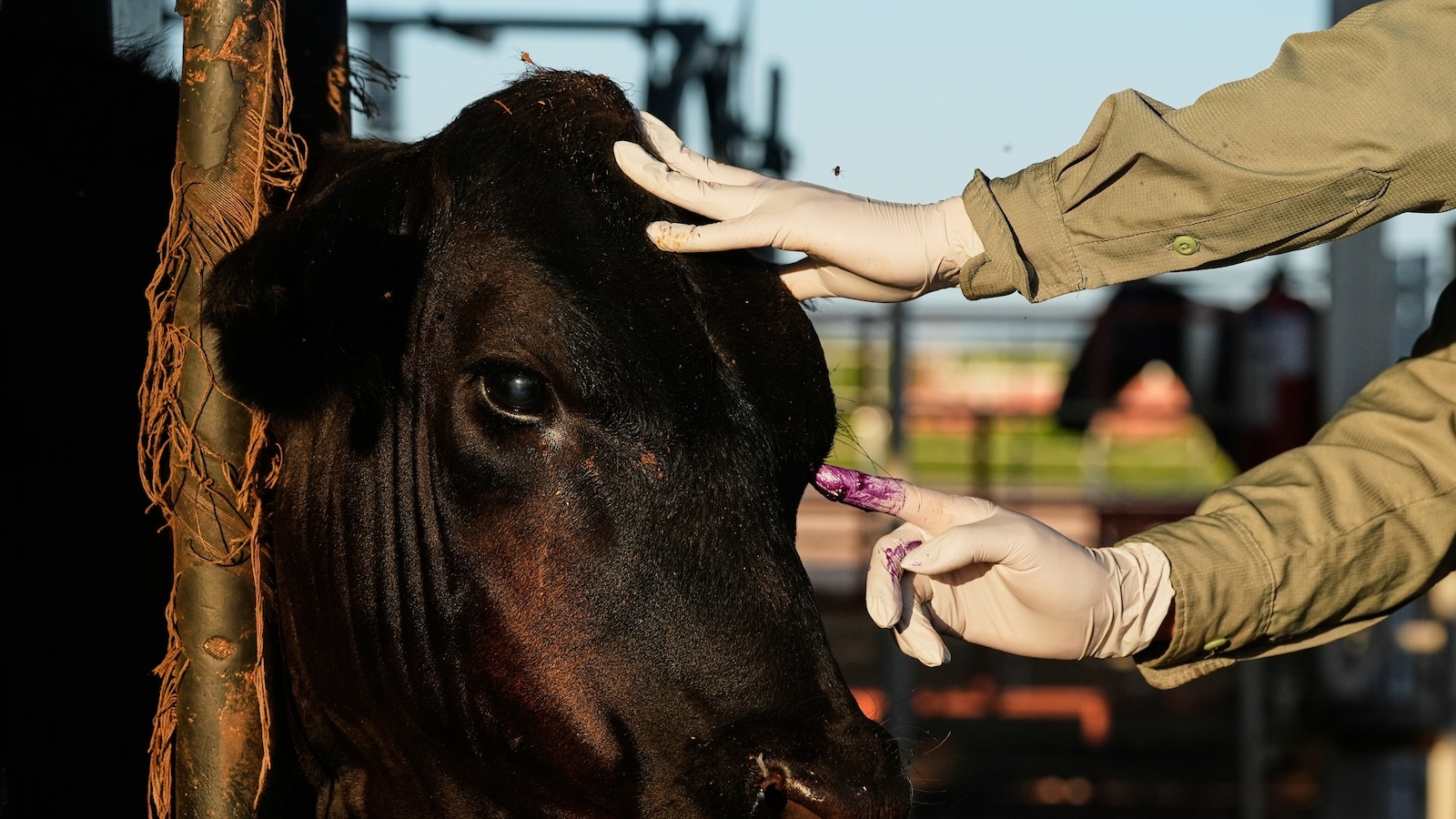
How Mexico's Cattle Return to the US After a Yearlong Ban
HERMOSILLO, Mexico -- At daybreak, rancher Martín Alfonso Ibarra takes advantage of the cooler hours in northern Mexico’s desert to oversee the milking of his cows and tend to 16 prized calves. Soon, he hopes, they will be headed north to the United States as a yearlong ban on Mexican cattle imports comes to an end.
The ban, imposed over concerns about a flesh-eating parasite known as the New World screwworm fly, dealt a blow to cattle and beef industries on both sides of the border, exacerbating a livestock shortage in the U.S. and hurting a Mexican ranching sector already weakened by drought and a cattle export business that generated $1.2 billion for Mexico last year.
Now, the U.S. is set to resume livestock imports from Mexico beginning Aug. 24 at the Douglas, Arizona, border crossing, which borders Agua Prieta in Mexico’s Sonora state. If the reopening goes smoothly, the U.S. Department of Agriculture could allow imports through additional ports, though shipments will initially be subject to restrictions aimed at preventing the spread of the parasite — which has already crossed the border, with authorities battling cases in Texas and New Mexico.