Michael Dell's $250 Million Move: The Trump Accounts Initiative Unveiled
Some powerful and wealthy friends of President Donald Trump are stepping up to help him launch what could be the most important investment ever in America’s youth.
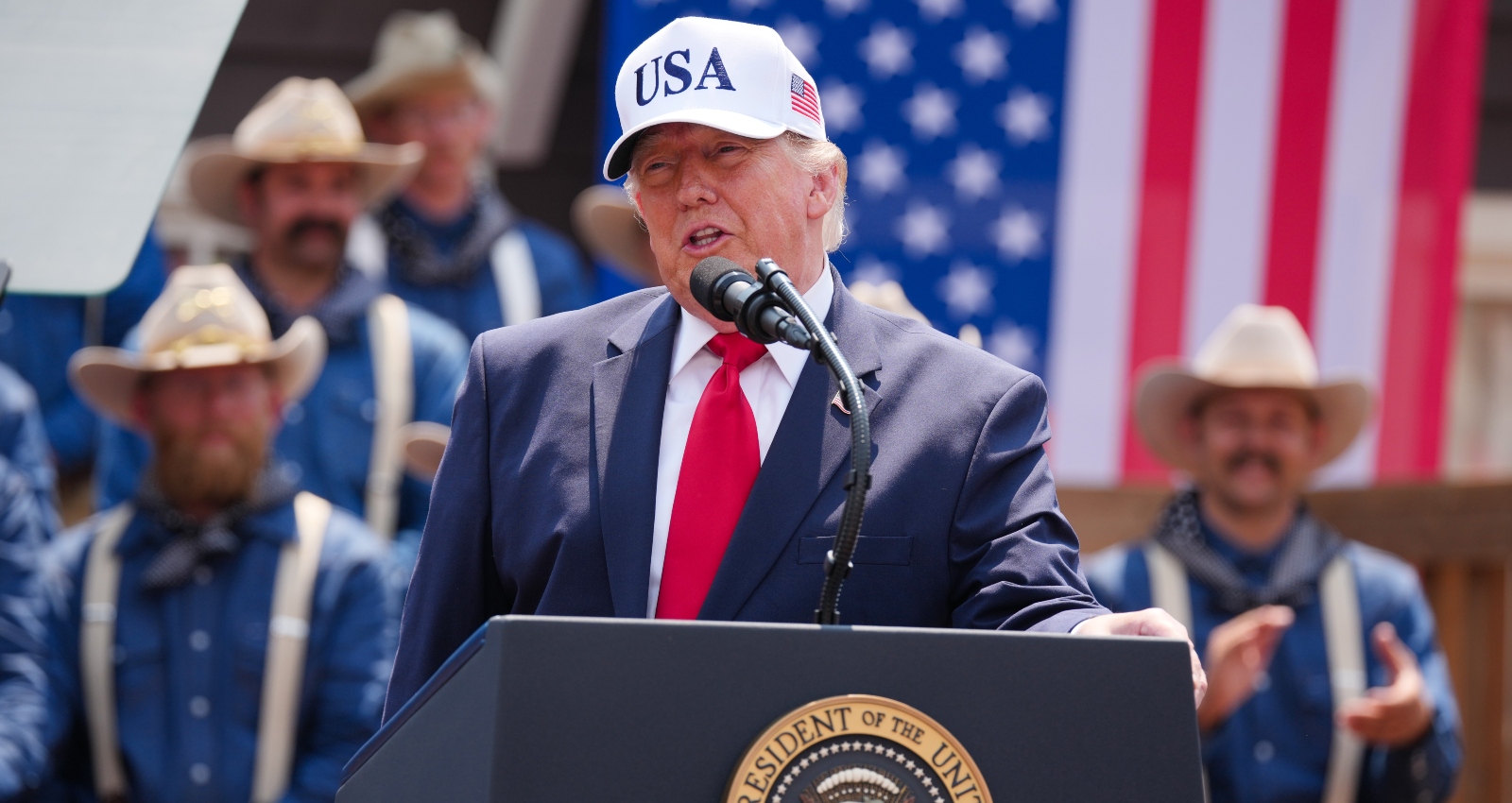
In an Independence Day announcement, billionaire entrepreneur Michael Dell and his wife, Susan, unveiled a public-private initiative designed to give millions of young Americans a financial investment in the nation’s future.
Dell, the founder and CEO of Dell Technologies, announced on X that the couple will contribute $250 to the first 25 million eligible American children who enroll in the new “Trump Accounts” program.
“This makes every child a shareholder in the greatest prosperity-creating engine the world has ever known — American capitalism,” Dell wrote in an X post.
“Through this public-private partnership, we’re giving the next generation a real stake in our economy and a path to the American Dream: education, a first home, starting a business, and building lasting wealth,” he added.
The announcement coincides with the Independence Day launch of the Trump Accounts program, a provision included in recently enacted tax legislation intended to help young Americans begin building long-term savings.
Under the initiative, which was first announced a year ago, every U.S. citizen born between Jan. 1, 2025, and Dec. 31, 2028, is eligible to receive a $1,000 government-funded initial investment upon enrollment.
Parents can enroll their children through the federal tax filing process and will serve as custodians of the accounts until the child reaches age 18.
The program does not require parents to make personal contributions, but they may contribute up to $5,000 annually.
Those funds are invested in the U.S. stock market through a portfolio of American companies, allowing the accounts to grow over time.
Trump has projected that the initiative could help create between $3 trillion and $4 trillion in wealth for young Americans over the next 15 years.
“Decades from now, I believe that Trump Accounts will be remembered as one of the most transformative policy innovations of all time,” Trump said during the program’s announcement.
Dell, who had previously pledged more than $6 billion to the program, said the initiative “unites us all in hope and optimism for every child’s future.”
The combined launch of the government initiative and the Dells’ private contribution has drawn widespread praise.
Sen. Ted Cruz, R-Texas, praised the effort on Saturday as “an extraordinary birthday gift to celebrate the greatest nation in the history of the world.”
Meanwhile, Trump continues to do what he can to save the country from a rising tide of left-wing socialism.
To that end, a legal fight over how American history should be presented to the public took another turn Thursday after a federal appeals court stepped in before a looming holiday deadline.
The ruling doesn’t settle the broader dispute, but it does hand the Trump administration a significant victory while allowing a controversial policy to remain in place as the case moves forward.
A federal appeals court on Thursday granted the Trump administration’s request to pause a lower court order that would have forced the National Park Service to restore historical displays altered under President Donald Trump’s executive order titled “Restoring Truth and Sanity to American History.”
The decision by the 1st U.S. Circuit Court of Appeals allows the administration to continue enforcing the policy while the appeal is considered.
The dispute began after Trump signed an executive order directing the Department of the Interior to review monuments, memorials, and educational displays under its control.
The order instructed Interior Secretary Doug Burgum to ensure displays “do not contain descriptions, depictions, or other content that inappropriately disparage Americans past or living” and instead emphasize “the greatness of the achievements and progress of the American people.”
Per the order, the National Park Service reviewed interpretive materials nationwide.
According to court filings, the agency removed or flagged hundreds of displays addressing topics including climate change, slavery, abolition, immigration, labor, women’s suffrage, civil rights, and the treatment of Native Americans.
This article may contain commentary which reflects the author's opinion.