Why Trump's New Plan Targets 'Birth Tourism' in the U.S.
The Supreme Court’s ruling on birthright citizenship Tuesday may have resolved key constitutional questions.
Still, the Trump administration says it is continuing to explore measures aimed at limiting so-called “birth tourism.”
Now, the Trump administration has unveiled a “Plan B” to help address the issue.
Homeland Security Secretary Markwayne Mullin said the administration believes it has the authority to deny entry to women traveling to the United States late in their pregnancies if officials determine the trip is intended primarily to secure U.S. citizenship for a child.
Mullin said the policy is intended to address both health and national security concerns, the Washington Times reported.
Advertisement
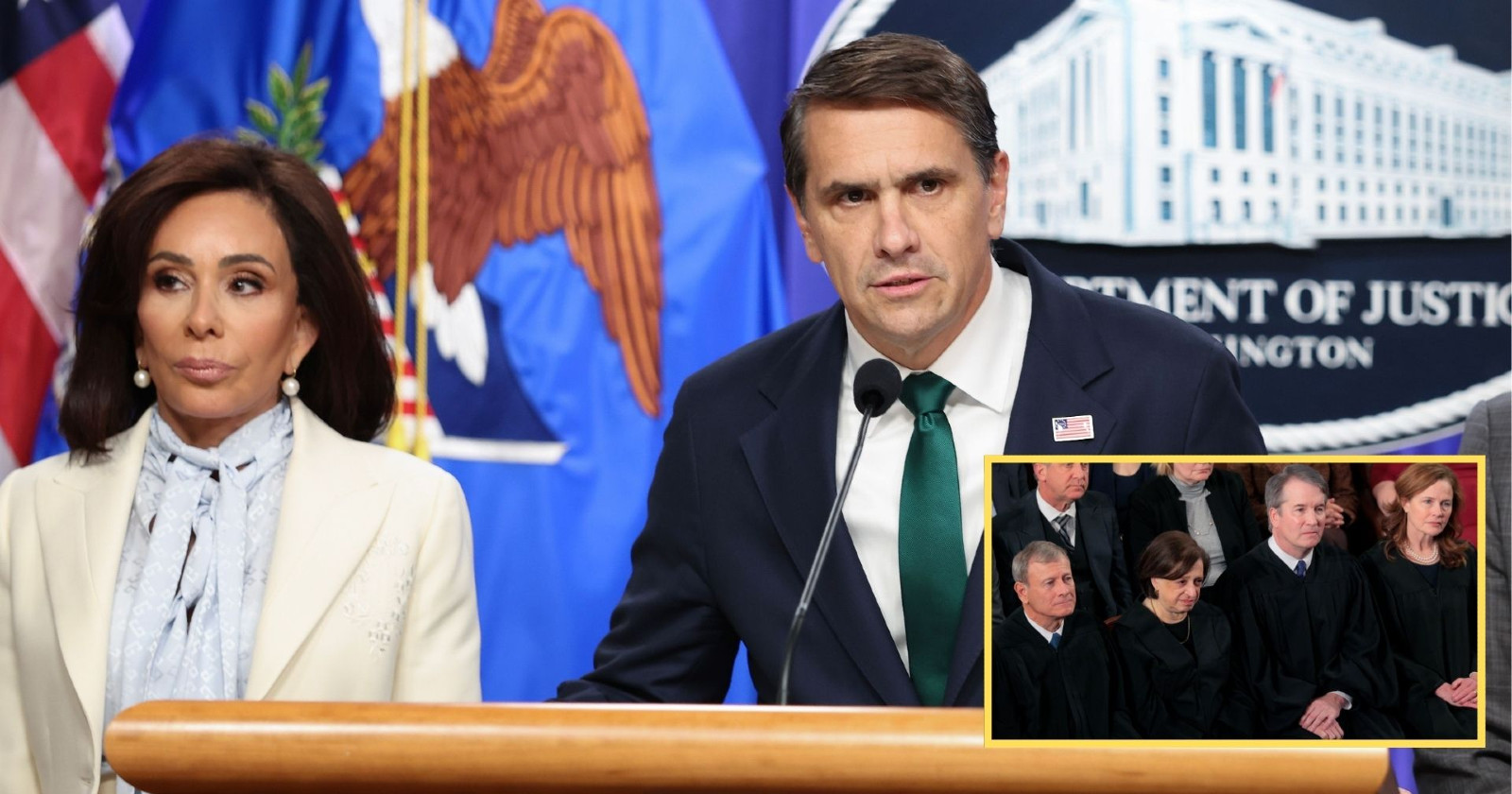
Acting Attorney General Todd Blanche said the Justice Department also plans to intensify enforcement against companies that organize or facilitate “birth tourism.”
According to Blanche, federal authorities will target businesses that advise pregnant women on how to obtain visas or evade scrutiny from U.S. consular and border officials.
“Everybody should agree that it’s a violation of our laws if your intent in coming here if you’re pregnant is to have a child that’s a U.S. citizen,” Blanche told reporters on Wednesday.
He added that birth tourism is a “booming industry.”
Immigration advocates hailed the Supreme Court’s 5-4 ruling, but Mullin echoed Supreme Court Justice Samuel Alito’s concerns about it impacting, potentially, national security.
“This is truly a national security risk,” he said on Fox News.
In a dissenting opinion, Alito argued that birthright citizenship could create national security concerns in certain circumstances.
He suggested that citizens of adversarial nations could travel to the United States to give birth before returning home to raise U.S.-citizen children in countries hostile to American interests.
Immigration experts have long identified China as one of the countries associated with organized “birth tourism,” in which pregnant women travel to the United States to give birth before returning to their home country.
However, the overall number of births resulting from organized birth tourism remains unknown.
The Supreme Court’s ruling applies to children born in the United States to both temporary legal visitors and immigrants who are in the country unlawfully.
According to the most recent estimates from the Pew Research Center, approximately 245,000 babies were born in 2023 to parents who were both living in the United States without legal status.
The research group also estimated that roughly 15,000 children were born to mothers who were in the country legally on a temporary basis while the fathers did not have permanent legal status.
That latter category includes a range of temporary residents, such as international students and guest workers, in addition to any individuals who may have traveled to the United States specifically to give birth.
But, it does happen, the Times noted.
Justice Department attorneys told the Supreme Court that hundreds of businesses advertise or facilitate birth tourism services for foreign clients seeking to give birth in the United States.
In one case cited by the department, federal prosecutors targeted USA Happy Baby Inc., which operated what authorities described as a “maternity house” in Rancho Cucamonga, California.
According to court records, the company rented apartments to pregnant Chinese women who traveled to the United States to give birth before returning to China several weeks later.
Prosecutors alleged that the company’s operators instructed clients to misrepresent the purpose and length of their trips when applying for U.S. visas.
Court filings also allege that clients were advised to conceal their pregnancies from border officials by wearing loose-fitting clothing, minimizing how far along they were if questioned, and following other fraudulent strategies designed to avoid additional scrutiny.
According to the DOJ, the company charged some clients as much as $100,000 for premium birth tourism services.
Beyond addressing birth tourism, the Trump administration has continued to prioritize broader immigration enforcement.
The Department of Homeland Security says it has reduced illegal border crossings while expanding efforts to remove immigrants who are in the United States unlawfully.
Administration officials have described the strategy as a focus on stronger border security combined with increased interior immigration enforcement and deportation operations.
This article may contain commentary which reflects the author's opinion.