Parrot Missing Half His Beak Unexpectedly Becomes Leader of the Flock
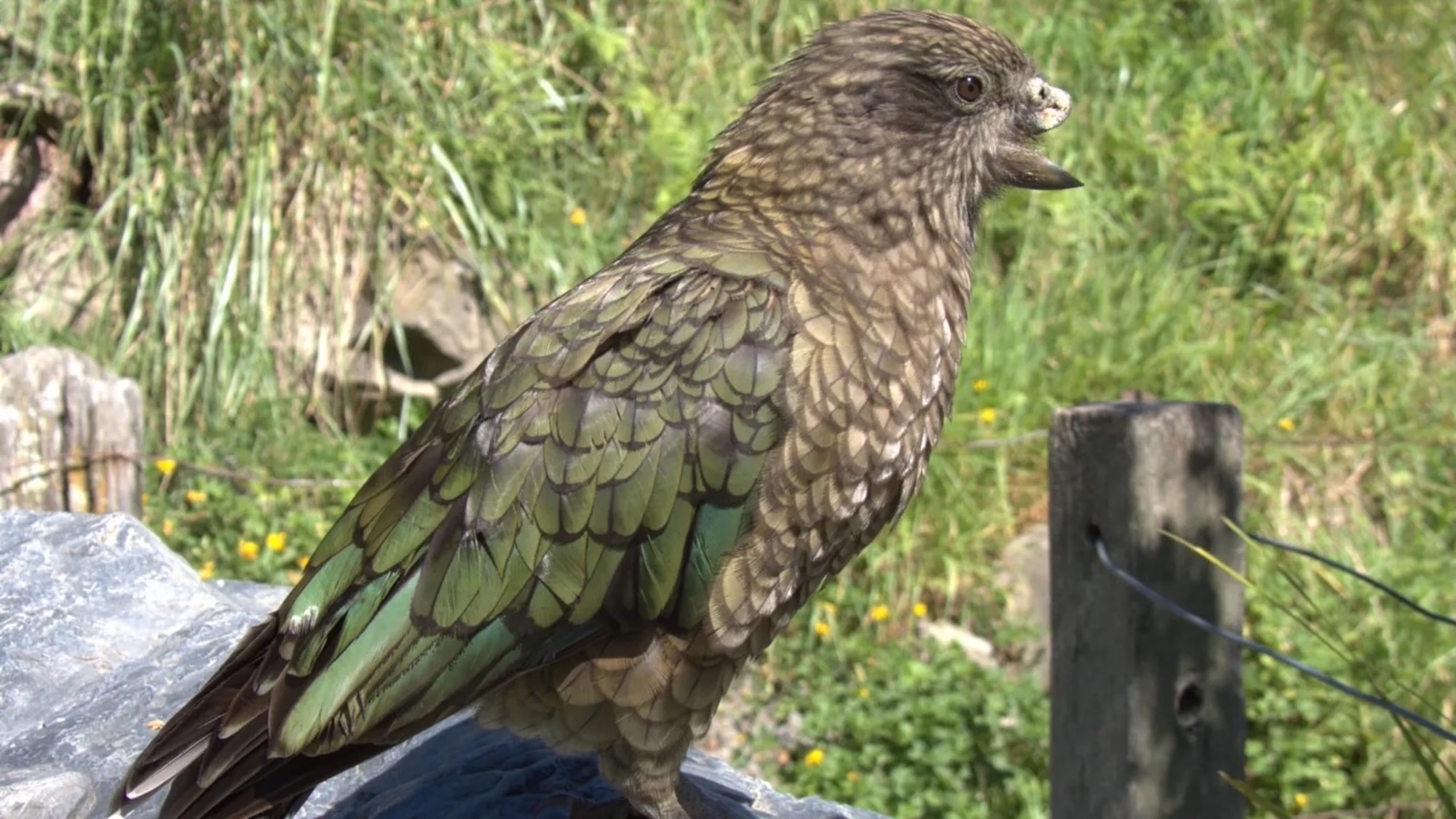
Bruce the kea parrot, missing his entire upper beak, has become the dominant bird in his group at Willowbank Wildlife Reserve, New Zealand. This surprising development is detailed in a study published on April 20 in Current Biology.
A Unique Fighting Technique
Kea parrots are known for their mischievous behavior. Despite Bruce's disability, he adapted by developing a unique "jousting" style to assert dominance over other birds, catching them off guard with his innovative approach.
He uses his exposed lower beak in thrusts combined with body momentum to win fights against his peers. This method is unlike anything seen before among kea parrots.
The Advantages of Being Alpha
Bruce's alpha status brought him several benefits, including first access to food and exclusive grooming attention from other birds. He maintained these privileges despite efforts to distribute resources evenly.
The study noted that his position likely contributed to lower stress hormone levels compared to other birds, indicating a secure social standing.
The Study's Broader Implications
This case challenges existing theories on animal dominance typically based on size or physical capability. Unlike previous examples requiring alliances, Bruce achieved and maintained his status through personal innovation alone.
Christina Riehl from Princeton highlights Bruce as an example of using behavioral adaptability to overcome physical limitations, though she questions if he might be even more effective with an intact beak.
The Uncertain Cause of Bruce’s Condition
The origin of Bruce's beak loss remains unknown. Discovered in Arthur's Pass in 2013 and later taken to Willowbank Wildlife Reserve, his story raises questions about the benefits of prosthetic interventions for disabled animals.
The report suggests that Bruce's condition might have spurred the creative behaviors that led to his rise as an alpha bird.