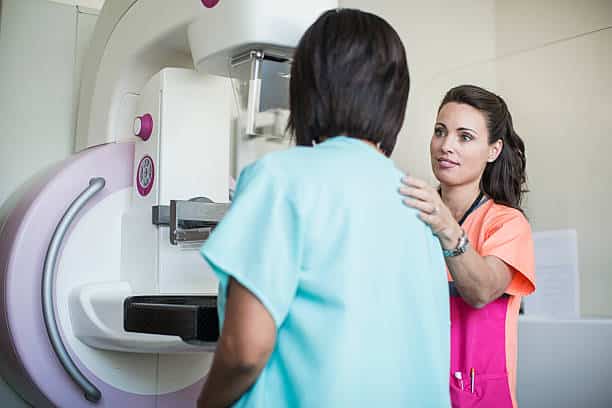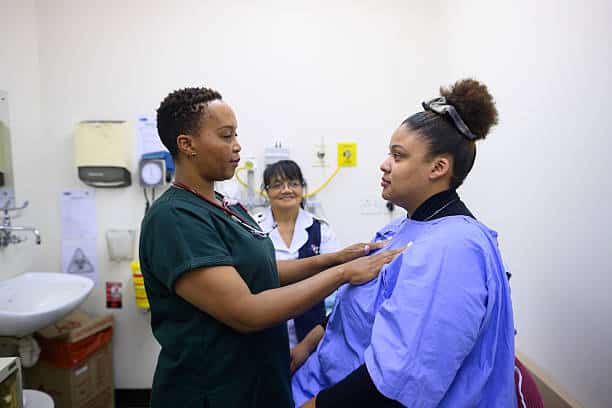
Revolutionary Tech Boosts Early Breast Cancer Detection
For years, breast cancer screening relied on radiologists, but sometimes tumors were missed, leading to advanced "interval cancers." A recent study in The Lancet Oncology reveals that AI in mammograms reduced interval cancer diagnoses by 12%, offering better protection for women.
Understanding AI-Assisted Mammograms
Traditional screenings rely on radiologists spotting abnormalities in images, but AI acts as a second pair of eyes. AI software identifies cancer markers and prioritizes scans, aiding in early detection and personalized risk assessments.
A Breakdown of AI Benefits
- AI flags suspicious areas, aiding radiologists
- AI triages scans for efficient diagnosis
- New AI tools predict future cancer risk
- AI helps in cases of dense breast tissue
Research shows that AI-supported mammography detected 29% more cancers without increasing false positives. The technology aims to improve early detection and reduce aggressive cancers diagnosed between screenings.
Improved Outcomes with AI
In a study involving over 100,000 Swedish women, AI-supported screenings detected more cancers at an earlier stage than standard screenings. AI reduced wait times for patients and eased radiologists' workloads, potentially benefiting future mammography screenings.
AI is not meant to replace human radiologists but to support them, potentially addressing staff shortages in healthcare. The long-term benefits and risks of AI-supported mammography screenings are under study, focusing on improving equity and outcomes, especially for high-risk groups like Black women.
Questions for Black Women
- Does this facility use AI-supported software for mammograms?
- Does the AI here help detect aggressive subtypes or dense breast tissue?
- Can AI provide a personalized 5-year risk assessment based on my scan?