Gwyneth Paltrow officiates Matthew Lowe’s wedding before a star-filled guest list
Celebrity News
exclusive photos
See more of our coverage in your search results.
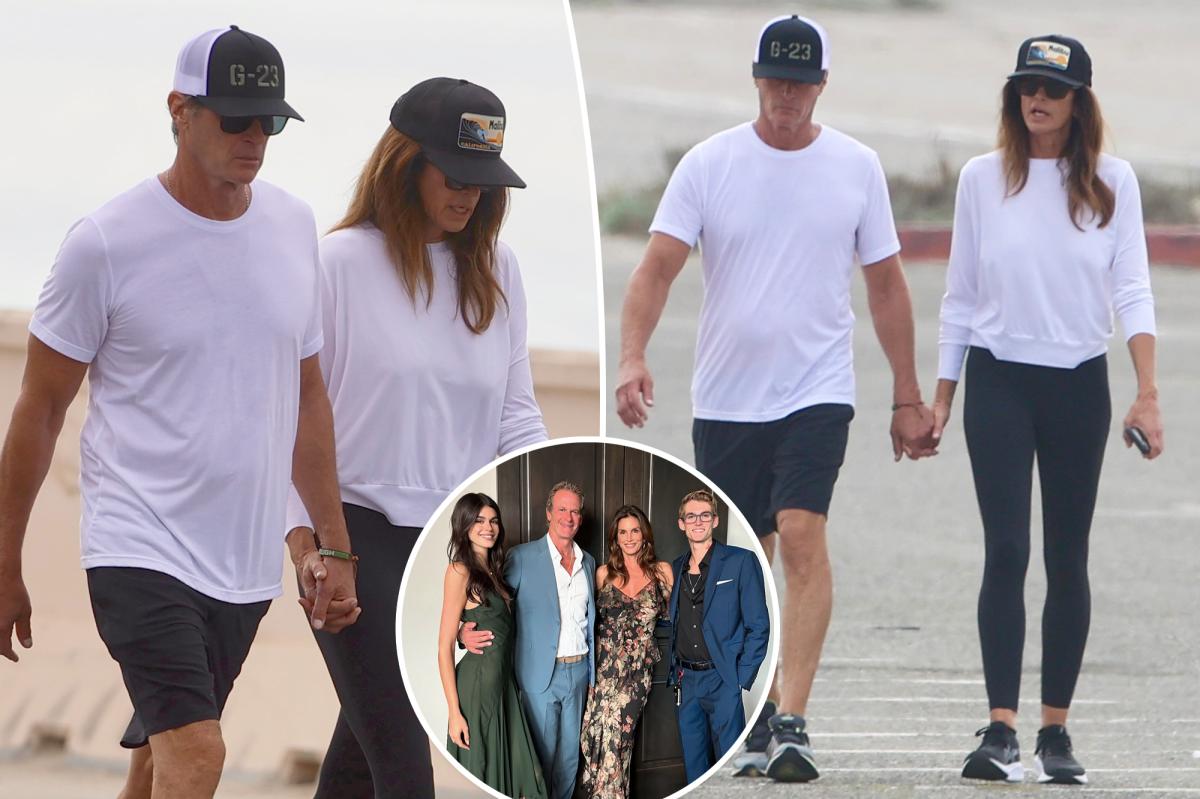
Rob Lowe’s son, Matthew Lowe, tied the knot with Emily Markus in Santa Barbara, California, shortly following the actor’s niece’s death.The couple’s star-studded nuptials included an enviable guest list featuring the likes of Cameron Diaz, Adam Levine, Katy Perry, Chris Pratt, Zoe Saldaña and Maria Shriver as seen in exclusive photos obtained by Page Six.Gwyneth Paltrow served as the ceremony’s officiant.Rob Lowe’s son, Matthew Lowe, tied the knot with Emily Markus in Santa Barbara on Saturday, with Gwyneth Paltrow officiating the ceremony (as seen above).The couple said “I do” in front of family, friends and several famous faces.Rob and wife Sheryl Berkoff as well as their son John Owen Lowe sat in the front row. Page SixKaty Perry was spotted sitting in the audience in front of Adam Levine and his wife, Behati Prinsloo. Page SixPrior to the big day, Markus took to Instagram Stories with what appeared to be a sneak peek of the festivities shaping up at local eatery Bluewater Grill, with a sunset photo of tables and festive flags. “It’s wedding weekend eve!” she wrote atop the pic. Matthew, 33, is the eldest of two sons born to the “Wayne’s World” actor and his wife of 35 years, Sheryl Berkoff. They also share son John Lowe, 30. Cameron Diaz sat next to Zoe Saldaña and her husband, Marco Perego-Saldaña. Page SixChris Pratt was seated away from wife Katherine Schwarzenegger and several of her family members. Page SixOne row featured Maria Shriver (burgundy dress) alongside several of her children, including: Christina Schwarzenegger, Christopher Schwarzenegger and Patrick Schwarzenegger, who was with wife Abby Champion (from right to left). Daughter Katherine was seated in the row behind them (seen here gabbing with Patrick). Page SixRob and Berkoff were seen at the festivities alongside Paltrow and her husband, Brad Falchuk. Page SixThe milestone family moment comes less than two weeks after Fiona Lowe — the daughter of Rob’s brother, Chad Lowe — tragically died at the age of 13.“We are deeply heartbroken by the loss of our beloved Fiona. She was a loving young girl who was smart, creative and loved to dance,” her family shared in a statement to Page Six at the time. “She was adored by her sisters and she was deeply loved by her parents. In fact, she was the light of our lives. Her passing is devastating for our entire family and we ask for prayers and privacy at this time.”The nuptials were said to be taking place at a private residence. Matthew and Emily are pictured here in a social media snapshot. Instagram/Emily MarkusLowe shares his sons with wife Sheryl Berkoff, pictured in a family photo in 2001. Ron Galella Collection via Getty ImagesThe statement concluded, “If you or someone you know is struggling with mental health, please reach out to the 988 Suicide & Crisis Lifeline by calling or texting 988.”Fiona was pronounced dead at the hospital on Sept 29, with a cause of death confirmed to be suicide, according to Los Angeles Medical Examiner records obtained by Page Six on Oct. 1. The “Pretty Little Liars” actor and his wife, producer Kim Painter, shared Fiona along with daughters Mabel, 17, and Nixie, 10.Rob’s niece, and Matthew’s cousin Fiona Lowe, pictured here with her father Chad Lowe and their family, died on Sept. 29. Chad Lowe/InstagramFiona, seen here in a throwback photo, was ony 13. Chad Lowe/InstagramThe family’s Los Angeles community rallied around the Lowe family following the teen’s tragic death with offers of help and support, as emotional tributes to Fiona flooded social media. Matthew’s brother John was among the family members to share an inspirational thought via Instagram following the loss, quoting an Emily Dickinson poem. “HOPE is the thing with feathers that perches in the soul, and sings the tune without the words, and never stops at all,” the poem reads. Fiona’s death was later determined to be suicide. She’s seen here in a social media photo. Chad Lowe/InstagramFiona is here seen with her family in 2022. MediaPunch / BACKGRID“And sweetest in the gale is heard; and sore must be the storm that could abash the little bird that kept so many warm,” it goes on. “I’ve heard it in the chillest land, and on the strangest sea; yet, never, in extremity, it asked a crumb of me.”Chad returned to social media on Thursday after his daughter’s death, sharing a repost containing footage from Olivia Hunt’s “On Healing” podcast, featuring guest Gerry Hussey. John Lowe, Matthew’s brother — pictured here with their father in 2017 — shared an inspirational poem via Instagram following Fiona’s death. GC ImagesChad returned to social media earlier this week following the death of the teen, pictured here in a throwback photo. widget works/ instagram“We are all part of the frequency,” Hussey said, adding, “We both possess the human and the divine.”He added in part, “When you ask yourself the deeper, bigger questions and you move beyond human existence and through meditation or something else, you experience the transcendental experience.” “We are connected to everything that is, it just makes sense and there’s nothing there but peace in love.”
Community GuidelinesWelcome to the Page Six Community!Our community is about connecting people through open and thoughtful conversations. We want our readers to share their views and exchange ideas in a safe space.In order to do so, we've created a simple set of rules that will improve your experience.Simply put, keep it civil.Your post will/might be rejected if it contains:
Spam
Insults, profanity, incoherent, obscene or inflammatory language and threats of any kind
Attacks on the identity of other commenters or the article's author
User accounts will/might be blocked if we notice:
Continuous attempts to re-post comments that have been previously moderated/rejected
Racist, sexist, or homophobic comments
Attempts or tactics that put the site security at risk
So, how can you be a power user?
Stay on topic and share your passion. Feel free to elaborate to get your point across.
'Like' or 'Dislike' when you are filled with emotions!
Protect your community. Use the report tool to alert us when someone breaks the rules.
Thanks for reading our community guidelines. Don't forget, freedom of speech is not the freedom of reach!